Hubs
Women's Health Hub
Gender bias in R&D means that women's health is suffering. The conditions and experiences which disproportionately, differently or exclusively affect women are persistently overlooked, leading to worse health outcomes and social and economic inequities. We've launched this hub to look at the whole picture.

Hub Editors

Dr Cécile Ventola
Senior Analyst
Why it matters
We can’t impact global health if we neglect half of the global population. Women and girls - especially those who are pregnant, lactating or living in LMICs - continue to be overlooked in data collection, clinical trials, interpretation of findings, availability of products, access to care and many other critical steps in the development of health innovations which could make a huge difference. There is a critical need for data and analysis to inform policy agendas, budgets and priorities. We must achieve not just the needed funding levels but true representation of women and girls in global health R&D.
“They say women are too complicated to measure, or we haven’t collected data on them in the past so we can’t start now because there is no comparable data. That’s not good enough when you’re talking about half the world."
says Caroline Criado Perez.
We've launched this hub to gather and highlight the data, analysis and tools that we - and many others - are developing to accelerate progress in women’s health R&D. We aim to inform the decisions and support the activities of funders, policy makers, product developers and advocates to improve women’s health outcomes globally, particularly those in LMICs.
Please explore this suite of resources we've put together, and please let us know your questions and challenges in understanding the landscape of women's health R&D.
Spotlight on latest reports
Explore our analyses to get the full picture on how gender bias shapes global health R&D and affects how women's needs are recognised and addressed - often sub-optimally .

International safe abortion day 2026

A choice for all?
From targeted solution to global maternal health asset: the JADA System
0
99%
Is this the new era? launch event
17 June 2025, online
Watch the recording of the report launch event where we reflect on the critical trends, gaps, and opportunities to shape the future of SRH and women's health innovation. Our guest speaker was Dr Nigina Muntean, Chief of the Innovation and Transformation Branch at UNFPA.
"Research on women’s health has been underfunded for decades, and many conditions that mostly or only affect women, or affect women differently, have received little to no attention”
Jill Biden, Former First Lady of the United States
All resources in this hub

5 min read
International Day of the Girl 2026
On International Day of the Girl, we look at how young girls are impacted by the endometriosis innovation gap. Symptoms often start with their first periods, yet diagnostics and treatments are largely designed and tested for adult women. Closing this gap is key to ensuring girls are diagnosed sooner, treated safely and able to stay in school.


10 min read
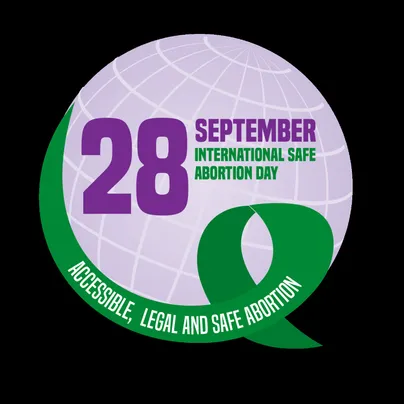
Safe abortion day 2026
This International Safe Abortion Day, we're looking at a dimension of the abortion conversation that rarely receives attention: R&D. Abortion is a common part of reproductive life worldwide, yet R&D funding for it has fallen sharply and rests almost entirely on a single funder. Our latest analysis unpacks the gaps in the product pipeline and what "solidarity in action" should mean for abortion R&D.


10 min read
A choice for all? What seven years of contraceptive, MPT and abortion R&D funding says about agency, intention and access
We analyse seven years of contraceptive, MPT and abortion R&D funding to understand what it tells us about agency, intention and access.


5 min read
From targeted solution to global maternal health asset: the JADA System
This case study focuses on the benefits of the JADA System – a device designed to stop bleeding by inducing a gentle vacuum in the uterus uterine device – for the rapid control of PPH in the USA.


20 min read
Flying Blind
This report provides a critical and timely landscape analysis of global R&D for endometriosis, polycystic ovary syndrome (PCOS) and uterine fibroids. In it, we evaluate and contextualise current investment, and review and analyse the pipeline of biomedical products developed and used to diagnose and treat them.


20 min read
Irresistible: developing new solutions for antimicrobial resistant STIs
In this report, we consider the future global response to three AMR-risk STIs: gonorrhoea, trichomoniasis and Mycoplasma genitalium. We analyse the funding that has been provided to research and develop new treatments, vaccines and diagnostics, and the resulting product pipeline for each of the three infections and their disease-causing pathogens.


45 min read
A New Era? Funding for sexual & reproductive health R&D 2018-2023
This is the fourth in a series of reports summarising the state of global funding for LMIC-applicable biomedical research and development targeting a range of sexual & reproductive health and women’s health issues


5 min read
Women’s health at the World Health Summit: towards much-needed global cooperation
Cécile Ventola and Joelle Tan share their takeaways from the World Health Summit in October 2024


5 min read
Our commitment to bridging the gender health data gap: reflections on World Menopause Day
Menopause is yet another female specific health issue for which product development is needed to empower individuals to make choices about their health, have options and receive the support they need.

You may also be interested in

Report Library
Browse our full archive of reports. Filter by health area, disease or condition, product, and date. Written by our expert analysts, our reports highlight key messages in the data, make the case for change and offer actionable recommendations.

Disease and condition
Our Health Areas resource gives you an at-a-glance summary of the state of innovation and annual R&D investment by disease and condition. Updated regularly, this is a unique quick reference for the global health community.